

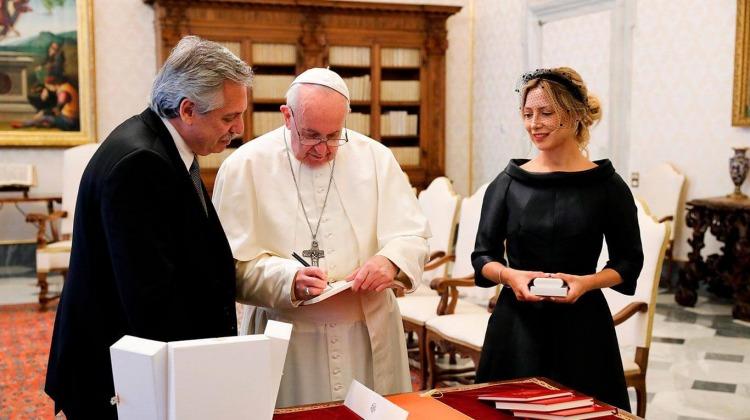
Introduction: Who Is Alberto Bergoglio?
When people hear the surname Bergoglio, the first thing that usually comes to mind is Pope Francis, whose birth name is Jorge Mario Bergoglio. However, behind every well-known public figure is a family story that is far less explored. One of the lesser-known members of that family is Alberto Bergoglio, a figure who remains largely out of the global spotlight but is still part of the broader Bergoglio family narrative rooted in Argentina’s Italian immigrant history.
Unlike his globally recognized brother, Alberto Bergoglio does not have a widely documented public biography. In fact, most of what can be understood about him comes indirectly through references to the Bergoglio family itself. This lack of public visibility is not unusual, especially for family members of individuals who later become global religious or political leaders. It often reflects a conscious choice to live a private life rather than pursue public attention.
Even though detailed records about Alberto Bergoglio are limited, his significance lies in the family environment that helped shape one of the most influential religious leaders of the modern era. To understand him, we need to explore the Bergoglio family background, their Italian-Argentine heritage, and the household values that defined their lives in Buenos Aires.
This article takes a deep dive into everything that can be reasonably and respectfully understood about Alberto Bergoglio. It also explores the broader family context, offering insight into how ordinary family members contribute to extraordinary life stories.
The Bergoglio Family Roots and Italian Heritage
To understand Alberto Bergoglio, it is essential to begin with the origins of the Bergoglio family. The Bergoglio lineage traces back to Italy, specifically the Piedmont region, from where many Italian families emigrated to Argentina during the late 19th and early 20th centuries. Like many immigrants of that era, the Bergoglios were part of a larger wave seeking economic stability and better opportunities in South America.
The family eventually settled in Buenos Aires, Argentina, a city that became a cultural melting pot of European traditions and Latin American identity. Within this environment, the Bergoglio household maintained strong ties to Italian customs, language influences, and Catholic traditions. These cultural foundations shaped the upbringing of all the children in the family, including Alberto Bergoglio and his more famous brother, Jorge Mario Bergoglio.
The immigrant experience played a significant role in shaping the family’s values. Hard work, humility, and a strong sense of faith were often emphasized in Italian-Argentine households of the time. These values were not just cultural traits but survival tools that helped families adapt to a new country while preserving their identity.
Although Alberto Bergoglio did not become a public figure, his upbringing in this environment places him within a historical narrative that is deeply tied to migration, resilience, and cultural integration. The Bergoglio family story is, in many ways, a reflection of Argentina itself—a nation built on waves of immigration and cultural blending.
The Bergoglio Household: A Close-Knit Family Environment
The household in which Alberto Bergoglio grew up was reportedly grounded in traditional Catholic values and strong family bonds. His parents, Mario José Bergoglio and Regina María Sívori, were known for maintaining a disciplined yet nurturing environment for their children. The family placed importance on education, morality, and religious practice.
Within such a household, children were typically raised with clear expectations about responsibility and respect. It is reasonable to understand that Alberto, like his siblings, experienced a structured upbringing where family unity played a central role. This type of environment often leads to strong emotional ties between siblings, even if their life paths diverge significantly later on.
What makes the Bergoglio family particularly interesting is the diversity of outcomes among the siblings. While Jorge Mario Bergoglio pursued a religious vocation that led him to the papacy, other family members, including Alberto Bergoglio, chose lives away from public attention. This contrast highlights how shared upbringing can lead to very different personal journeys.
Despite the limited public information about Alberto’s personal or professional life, his place within this family structure is still meaningful. He represents the quieter, less visible side of a family that ultimately became globally significant. In many ways, families like the Bergoglios are defined not only by their famous members but also by those who choose privacy over public recognition.
Relationship with Jorge Mario Bergoglio (Pope Francis)
One of the most common reasons people search for Alberto Bergoglio is to understand his connection to Pope Francis. As siblings, Alberto and Jorge Mario Bergoglio shared the same household, upbringing, and family influences during their early lives in Buenos Aires. However, their adult lives took very different directions.
Jorge Mario Bergoglio entered religious life and eventually became a Jesuit priest, later rising to become Archbishop of Buenos Aires and ultimately Pope Francis. His journey is widely documented and studied around the world. In contrast, Alberto Bergoglio did not pursue a public religious or political path, and as a result, there is far less information available about his life trajectory.
Even though their life paths diverged, it is reasonable to assume that the bond between siblings in such a family remained significant. In large families, especially those rooted in strong cultural and religious traditions, relationships often continue regardless of professional differences. However, specific personal details about their interactions are not widely documented in public records.
What can be said with certainty is that Pope Francis often speaks about the importance of family, humility, and simplicity—values that were deeply rooted in his upbringing. These same values would have been shared by Alberto Bergoglio as part of the same household environment. In this sense, Alberto’s role is part of the broader foundation that shaped one of the most influential spiritual leaders of the modern world.
Public Presence and Limited Documentation
Unlike his famous brother, Alberto Bergoglio does not have a public biography, media presence, or widely known professional profile. This makes him one of those rare individuals who are indirectly known due to their association with a global figure rather than through their own public activities.
The absence of detailed documentation does not necessarily indicate lack of significance. Instead, it reflects a life lived outside of public scrutiny. Many individuals connected to prominent personalities choose to remain private, avoiding media attention and public commentary. This is particularly common in families of religious leaders, where personal privacy is often respected and maintained.
In the case of Alberto Bergoglio, the limited availability of information also highlights an important aspect of historical and biographical research: not every individual connected to a famous figure has a documented public record. Some lives remain intentionally private, and in such cases, responsible discussion focuses on context rather than speculation.
Therefore, when discussing Alberto Bergoglio, it is more accurate to focus on the environment he was part of rather than attempting to construct a detailed personal biography that is not supported by verified sources. His existence is acknowledged primarily through family references rather than independent public records.
The Broader Significance of the Bergoglio Family
While Alberto Bergoglio himself remains a private figure, his place within the Bergoglio family contributes to a broader historical and cultural narrative. The family represents the Italian immigrant experience in Argentina, a story shared by millions of families who built new lives in South America while preserving their heritage.
This background is essential for understanding the values that shaped the Bergoglio household. Faith, discipline, and community responsibility were not abstract ideas but lived realities. These values influenced all members of the family, including Alberto, and helped shape the moral framework within which they grew up.
In a broader sense, families like the Bergoglios demonstrate how global historical movements—such as immigration—shape individual lives in profound ways. Even when some members become globally recognized figures, the rest of the family remains part of the foundation that made those journeys possible.
Alberto Bergoglio’s significance, therefore, is not based on public achievements but on his place within this interconnected family story. His life represents the countless individuals whose stories remain private but are still part of larger historical narratives.
Conclusion: Understanding Alberto Bergoglio Beyond the Spotlight
Alberto Bergoglio may not be a public figure, and his life is not documented in detail across historical or media records. However, his presence within the Bergoglio family places him in a meaningful context that connects to one of the most influential religious leaders in the world today.
Rather than focusing on individual achievements, understanding Alberto Bergoglio requires looking at the family, culture, and historical background that shaped his life. The Italian-Argentine immigrant experience, the strong Catholic household, and the close-knit family structure all form the foundation of his story.
In the end, Alberto Bergoglio represents the quieter side of history—the individuals who live outside the spotlight but remain part of important family legacies. While his brother Jorge Mario Bergoglio became Pope Francis and a global religious figure, Alberto’s story reminds us that not all meaningful lives are public ones.
Sometimes, the most important role a person plays is not on the world stage, but within the family and cultural foundation that helps shape those who do.
