

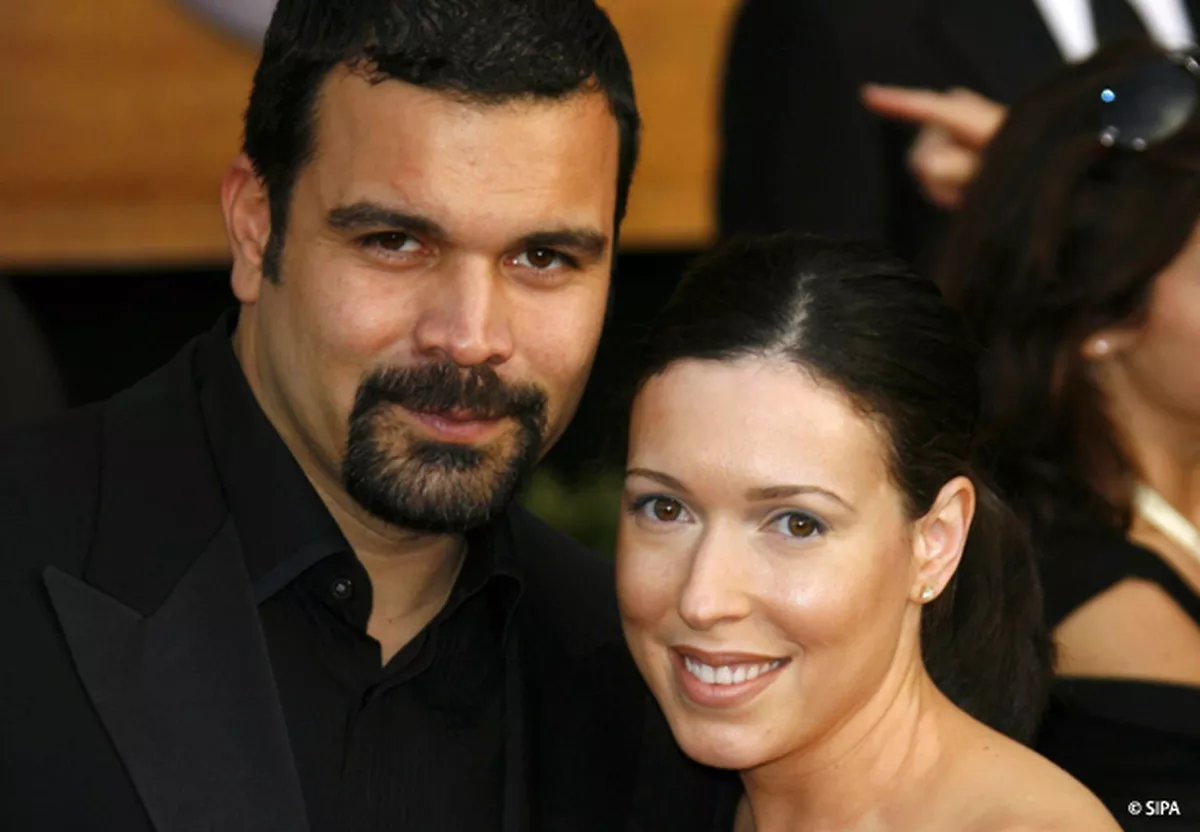
Have you ever come across a name online that sparks curiosity but leaves you with more questions than answers? One such name is Marcea Dietzel. Why do people search for this name so often, and what exactly is known about her in the public domain?
In today’s digital world, even a single name can generate widespread attention, discussions, and speculation. This article takes a deep, well-rounded look at the keyword Marcea Dietzel, exploring why it appears in search trends, how online identity works around lesser-known individuals, and what we can reasonably understand without crossing into assumptions or misinformation.
Who Is Marcea Dietzel?
When discussing Marcea Dietzel, the first and most important thing to understand is that publicly verified information about this name is limited. In many cases, names like this appear in search engines due to curiosity, social mentions, or indirect associations rather than widely documented biographies.
That does not make the name any less interesting. In fact, it highlights how modern search culture works. People often encounter a name in passing—maybe in a conversation, a social media post, or a partial reference—and then turn to search engines for clarity.
Because of this, Marcea Dietzel becomes a topic of digital curiosity rather than a fully documented public figure with extensive verified records. This is important to keep in mind when analyzing any information connected to her name.
At the same time, the lack of detailed public records does not diminish the attention the name receives online. Instead, it increases speculation, making it a frequent search query for users trying to connect dots or confirm identity.
Early Life and Background Context
When researching individuals who are not widely covered in media or public databases, early life details are often not publicly available or reliably documented. The same applies to Marcea Dietzel.
In such cases, it is essential to avoid assumptions about birthplace, education, or upbringing unless verified by credible sources. Instead, what can be discussed is how modern digital identity often separates private life from public visibility.
Many individuals who are searched online are not necessarily public figures. They may be private citizens whose names appear in specific contexts, such as family references, professional environments, or online mentions.
This creates an interesting dynamic. A name like Marcea Dietzel may appear across platforms, but without a centralized biography or confirmed historical narrative, leaving gaps that the internet tries to fill.
As a result, early life discussions often remain general rather than specific, focusing more on the idea of digital anonymity in a highly connected world.
Public Interest and Why the Name Appears Online
One of the most fascinating aspects of Marcea Dietzel is not necessarily the person herself, but the public interest surrounding the name.
In many cases, names gain search volume because they are associated with someone else, mentioned in passing, or appear in fragmented online discussions. Once that happens, curiosity spreads quickly.
People naturally want to understand relationships, identities, and backgrounds. This leads to repeated searches like “Who is Marcea Dietzel?” or “Marcea Dietzel biography,” even when clear public records are limited.
Another reason for rising interest could be confusion with similar-sounding names or misattributed references. This is extremely common in digital spaces, where information is copied, reposted, or partially edited without full context.
Over time, this creates a loop: the more people search, the more search engines suggest the name, increasing visibility even further.
This phenomenon shows how online interest does not always depend on fame, but sometimes simply on repetition and curiosity.
Career Mentions and Possible Associations
When it comes to Marcea Dietzel, there is no widely confirmed professional biography available in mainstream media sources. This means that any discussion about career paths must be approached carefully and generally.
In the digital age, many names appear in different contexts—business directories, social mentions, or informal references—without a single unified professional identity.
This is why it is important to distinguish between verified career information and speculative associations. Without reliable documentation, it is more accurate to talk about the nature of online identity rather than assigning specific job titles or achievements.
What we do know from similar cases is that individuals with low public exposure often maintain private careers that are not part of public databases. These could range from corporate roles to independent professions.
So, while the name Marcea Dietzel may circulate online, her professional background—if private—remains outside the scope of verified public knowledge.
Personal Life and Privacy Considerations
One of the most important aspects of discussing names like Marcea Dietzel is respecting personal privacy. In a world where information spreads instantly, maintaining boundaries between public curiosity and private life is essential.
Not every individual mentioned online is a public figure. Many are private citizens who may not have chosen to share personal details with the public.
This is why responsible discussion focuses on general patterns rather than personal specifics. It is entirely possible that Marcea Dietzel is a private individual whose name appears in limited contexts without public exposure.
Privacy also plays a major role in why information may seem incomplete. Many people actively choose to keep their lives offline or minimally documented, especially in an era of digital oversharing.
Understanding this helps shift the perspective from “Why isn’t there information available?” to “Why should all information be available in the first place?”
Media Presence and Online Mentions
Another key reason names gain attention is media amplification. However, in the case of Marcea Dietzel, there is no strong indication of widespread media coverage or mainstream reporting.
Instead, what typically happens in such cases is fragmented online presence. This may include brief mentions, database entries, or indirect references that are not enough to form a complete narrative.
Social media also plays a role. A single mention can quickly circulate, especially if users begin discussing or speculating about the identity behind a name.
This creates a situation where visibility does not equal verification. A name may appear frequently in searches but still lack confirmed media coverage.
It is a reminder that online presence is not always a reflection of real-world prominence, but sometimes just the result of algorithmic repetition.
Why People Search for Marcea Dietzel
Understanding search behavior is key to understanding why names like Marcea Dietzel gain attention.
There are several possible reasons:
First, curiosity-driven searches. People often hear a name and immediately look it up for clarity.
Second, associative searches. A name might appear connected to another individual, leading users to investigate further.
Third, algorithmic suggestion. Once a few users search for a term, search engines begin recommending it more widely.
Fourth, misinformation loops. Sometimes incorrect or incomplete data circulates online, prompting users to verify the truth.
All these factors combine to increase visibility, even when verified information is minimal.
This shows that search trends are not always about popularity—they are often about curiosity and repetition.
Digital Footprint and Identity Clarity
In today’s digital landscape, every name leaves a potential footprint. However, not all footprints form a complete picture.
For Marcea Dietzel, the available digital footprint appears fragmented rather than consolidated. This means there is no single authoritative source that defines her identity publicly.
This situation is more common than many people realize. Millions of individuals have partial digital footprints that exist across scattered platforms without central documentation.
Identity clarity becomes challenging in such cases. Without verified data, the internet often fills gaps with assumptions or repeated unverified claims.
This is why critical thinking is essential when interpreting online information. A name alone does not equal a verified biography.
The Broader Lesson Behind Public Curiosity
The interest in names like Marcea Dietzel reflects something larger about internet culture. We live in a time where information is instantly accessible, but not always complete or accurate.
This creates a unique tension between curiosity and credibility.
On one hand, people want answers quickly. On the other hand, not all answers exist in reliable form online.
This teaches an important lesson: digital literacy is just as important as digital access. Knowing how to interpret information is more valuable than simply finding it.
It also highlights the importance of respecting boundaries, especially when dealing with individuals who may not be public figures.
Conclusion
Marcea Dietzel is a name that continues to generate online curiosity, yet remains largely outside the scope of publicly verified biographical documentation. This makes her an interesting example of how digital identity works in the modern age.
Rather than a traditional public profile, what we see instead is a reflection of search behavior, online curiosity, and fragmented digital presence.
In the end, the story of Marcea Dietzel is less about confirmed details and more about how information spreads, evolves, and sometimes remains incomplete in the digital world.
And perhaps the real question is not just “Who is Marcea Dietzel?” but also “Why do we search for names we know so little about in the first place?”
