

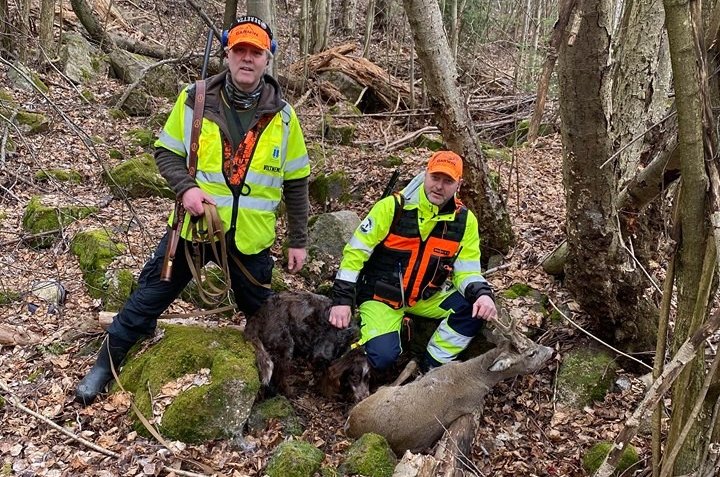
If you’ve ever wondered who actually decides how wildlife is managed in Norway—especially when it comes to hunting quotas, animal collisions, or balancing nature with human activity—the answer often points to one local institution: viltnemnda. It may not be widely known outside Scandinavia, but it plays a surprisingly important role in shaping how wildlife and people coexist.
In simple terms, viltnemnda is a municipal wildlife committee responsible for managing wild animals and ensuring sustainable interaction between humans and nature. But in practice, it’s much more than just a committee—it’s a bridge between ecology, law, and everyday life in rural and semi-urban Norway.
Let’s explore what viltnemnda really is, how it works, and why it matters more today than ever before.
What is Viltnemnda? Understanding the Core Concept
Viltnemnda is a local wildlife management committee found in municipalities across Norway. It is typically appointed by the municipal government and operates as an advisory and administrative body for wildlife-related issues.
At its core, viltnemnda is responsible for making decisions about wild animal populations, particularly species that interact frequently with humans. This includes managing hunting permits, handling wildlife accidents, and advising on conservation strategies.
One of the key ideas behind viltnemnda is decentralization. Instead of central authorities handling every wildlife issue, local communities are given responsibility. This ensures decisions are based on real-time, local conditions rather than distant administrative policies.
Another important aspect is balance. Viltnemnda must constantly balance three things: ecological sustainability, human safety, and economic interests like hunting and agriculture. That balancing act is not always easy, especially in regions where wildlife populations are dense.
Finally, viltnemnda is not a scientific institution in itself, but it relies heavily on scientific input from environmental authorities and wildlife experts. Its role is more practical and administrative, turning scientific data into real-world decisions.
Structure and Organization of Viltnemnda in Municipalities
Viltnemnda exists at the municipal level, meaning every municipality in Norway can have its own version of the committee. This makes the system highly localized and flexible.
Typically, members of viltnemnda are elected politicians or appointed representatives from the municipal council. This ensures that wildlife management is connected to local democratic governance. In addition, technical advisors and wildlife experts may be consulted regularly, even if they are not formal members.
The committee usually works closely with national environmental authorities such as the Norwegian Environment Agency. While the agency sets broader national guidelines, viltnemnda handles implementation at the local level.
Meetings are usually held periodically or when urgent wildlife issues arise. For example, if there is a sudden increase in accidents involving wild animals or a need to adjust hunting quotas, viltnemnda can be called into action quickly.
Despite being a local body, viltnemnda must follow strict legal frameworks and reporting systems. Decisions are documented, reviewed, and often coordinated with neighboring municipalities to ensure consistency in wildlife management across regions.
Key Responsibilities of Viltnemnda in Wildlife Management
One of the most important roles of viltnemnda is managing wildlife populations. This includes setting hunting quotas for species such as the moose, deer, and other game animals.
Population control is essential because overpopulation can lead to ecological imbalance, crop damage, and increased traffic accidents. Viltnemnda uses data from wildlife surveys, environmental reports, and historical hunting statistics to make these decisions.
Another major responsibility is handling wildlife-related incidents. This includes situations where animals are injured, found dead, or involved in road collisions. Viltnemnda often coordinates rescue, reporting, and removal procedures.
They also play a role in conflict management between humans and wildlife. For instance, if farmers experience repeated crop damage from wild animals, viltnemnda may adjust hunting permissions or implement preventive measures.
Additionally, viltnemnda contributes to conservation efforts by ensuring that hunting and development activities do not threaten biodiversity. While it allows regulated hunting, it also ensures that populations remain stable and healthy over time.
Viltnemnda and Its Relationship with Hunters and Landowners
One of the most practical aspects of viltnemnda’s work is its close relationship with hunters. In Norway, hunting is both a cultural tradition and a wildlife management tool. Viltnemnda regulates this activity to ensure it remains sustainable.
Hunters receive licenses and quotas based on decisions made by viltnemnda. These decisions are not random; they are based on population data and ecological assessments. This ensures that hunting does not disrupt natural balance.
Landowners also play a major role in this system. Since wildlife often moves across private lands, landowners are important stakeholders. Viltnemnda communicates with them to manage hunting rights, compensation issues, and land-use concerns.
In many cases, landowners benefit economically from controlled hunting activities. Viltnemnda helps structure these arrangements so that they are fair, legal, and environmentally responsible.
At the same time, conflicts can arise. Some landowners may feel that wildlife causes too much damage, while hunters may disagree with quotas. Viltnemnda acts as a mediator in such situations, trying to find balanced solutions that satisfy all parties.
Legal Framework and Environmental Governance
Viltnemnda does not operate independently; it is firmly grounded in Norwegian environmental law. Wildlife management in Norway is governed by national legislation that defines how species should be protected and managed.
These laws emphasize sustainability, meaning wildlife populations must be maintained at levels that do not harm ecosystems or human interests. Viltnemnda’s decisions must always align with these legal principles.
The committee also works within frameworks that regulate hunting seasons, species protection status, and reporting requirements. For example, certain species may be fully protected, while others are subject to regulated hunting.
Another key legal aspect is accountability. Viltnemnda must document its decisions and justify them based on data and regulations. This ensures transparency and prevents misuse of authority.
Collaboration with national bodies like the Norwegian Environment Agency ensures that local decisions align with national biodiversity goals and international environmental commitments.
Modern Challenges Facing Viltnemnda
In today’s world, viltnemnda faces more challenges than ever before. One of the biggest is climate change. Changing temperatures and weather patterns affect animal migration, reproduction, and survival rates, making population management more complex.
Urban expansion is another major challenge. As cities and roads expand, wildlife habitats shrink, increasing the likelihood of human-animal encounters. This leads to more accidents and more pressure on viltnemnda to respond quickly and effectively.
Public expectations have also changed. People today are more environmentally conscious and often demand stricter conservation policies. At the same time, hunting communities may push for more flexible quotas. Balancing these competing interests is not easy.
Technology has also changed the game. Modern wildlife tracking systems, GPS data, and digital reporting tools provide more accurate information, but they also require viltnemnda members to adapt to new methods of decision-making.
Finally, there is the challenge of biodiversity loss. Maintaining healthy ecosystems requires long-term planning, and viltnemnda must ensure that short-term decisions do not harm future ecological stability.
The Importance of Viltnemnda for Biodiversity and Ecosystem Balance
Despite its administrative nature, viltnemnda plays a crucial role in protecting biodiversity. By regulating hunting and monitoring wildlife populations, it helps maintain ecological balance across regions.
Healthy populations of species like the moose are essential for forest ecosystems. Too many can lead to overgrazing, while too few can disrupt predator-prey relationships.
Viltnemnda ensures that these populations remain within sustainable limits. This indirectly supports plant life, soil health, and even smaller animal species that depend on balanced ecosystems.
Another important contribution is reducing human-wildlife conflict. By managing populations and responding to incidents, viltnemnda helps prevent unnecessary harm to both animals and people.
In a broader sense, viltnemnda contributes to the long-term environmental stability of Norway, ensuring that natural resources remain available for future generations.
The Future of Viltnemnda: Where Is It Heading?
Looking ahead, viltnemnda is likely to become even more important as environmental challenges grow. Climate change, urbanization, and biodiversity loss will continue to shape its responsibilities.
One possible future direction is increased digitalization. More advanced data systems could help viltnemnda make faster and more accurate decisions about wildlife populations and risks.
Another trend is stronger regional cooperation. Since wildlife does not respect municipal borders, viltnemnda committees may increasingly work together across regions to manage shared ecosystems more effectively.
Public participation may also increase. Citizens, environmental groups, and scientists could play a larger role in decision-making processes, making wildlife governance more transparent and inclusive.
Ultimately, viltnemnda will continue to evolve. While its core mission—balancing humans and wildlife—will remain the same, the tools, challenges, and expectations around it will keep changing.
Final Thoughts
Viltnemnda may not be widely known outside of Norway, but its impact is deeply felt in everyday life, especially in rural areas where humans and wildlife share the same space. It is a system built on balance, responsibility, and local governance.
By managing hunting, protecting ecosystems, and responding to wildlife challenges, viltnemnda ensures that nature and society can coexist sustainably. And as environmental pressures continue to grow, its role will only become more important in the years ahead.
