

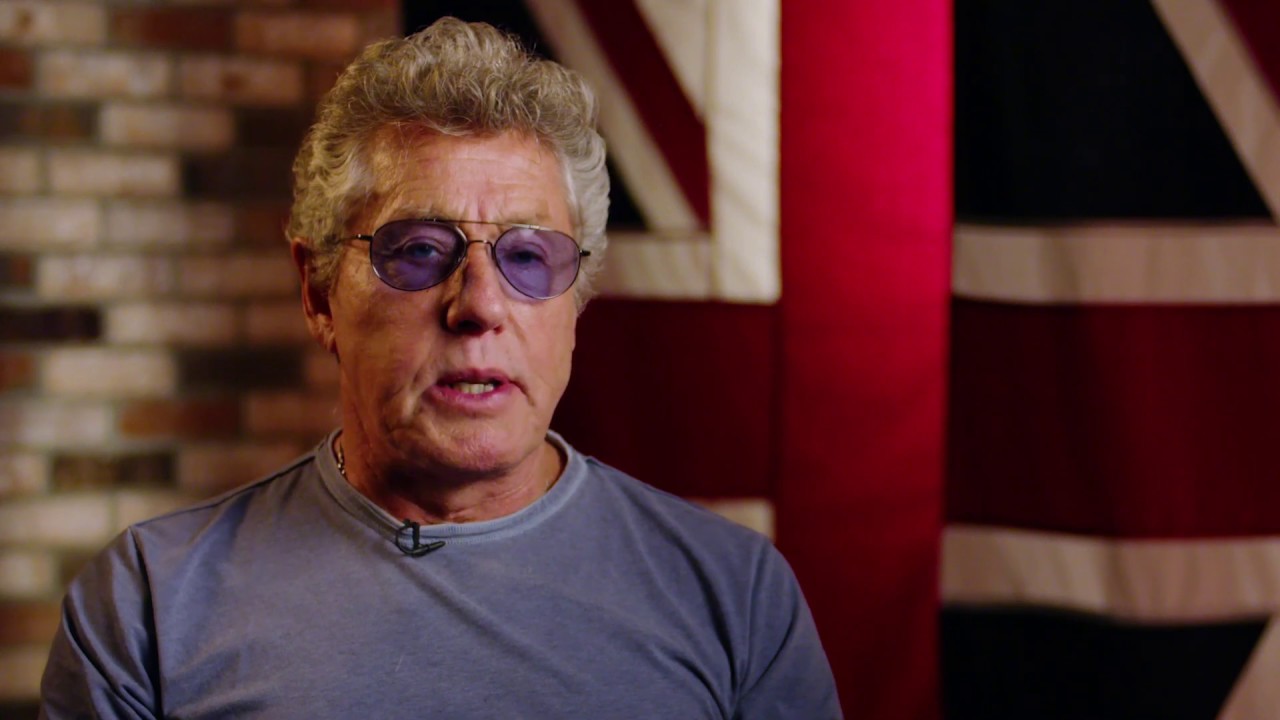
Have you ever wondered who shapes the massive, cinematic sound behind some of Broadway’s biggest productions and rock bands performing with full orchestras? That hidden layer of musical brilliance often comes from people you rarely see on stage. One of those influential figures is Keith Levenson.
Keith Levenson has built a remarkable career as a conductor, arranger, and orchestrator, blending the worlds of classical orchestration, Broadway theater, and rock music into a seamless artistic language. From Broadway pits to global tours with legendary rock acts, his work has helped redefine how orchestral music interacts with modern popular genres.
In this article, we’ll explore his journey, creative style, achievements, and lasting impact on the music industry in detail.
Early Life and Musical Foundations of Keith Levenson
Keith Levenson, formally known as Keith Levenson, developed his musical identity through a deep-rooted passion for orchestral and theatrical music. Like many musicians who eventually rise to the top of their field, his early years were defined by curiosity, discipline, and a fascination with how music can tell stories beyond words.
From a young age, Levenson was drawn to the structure and emotional power of orchestral compositions. While many of his peers were focused on mainstream genres, he gravitated toward complex arrangements and the layered textures of symphonies and stage productions. This early exposure helped him understand that music is not just entertainment—it is architecture built from sound.
As his education progressed, he immersed himself in formal music training, learning the fundamentals of orchestration, conducting, and composition. These formative years were crucial because they gave him the technical precision needed to navigate both classical and contemporary music worlds. Unlike many musicians who specialize early, Levenson built a versatile foundation that later allowed him to move effortlessly between Broadway theaters and rock arenas.
Another defining aspect of his early development was his exposure to live performance environments. Watching how musicians interact in real time during rehearsals and performances shaped his understanding of leadership in music. He learned that a conductor is not just a timekeeper but a translator between written score and emotional expression.
This combination of technical training, emotional awareness, and performance experience became the cornerstone of his future career. It also set him apart as someone capable of bridging traditional orchestral discipline with modern entertainment energy.
Breakthrough in Broadway and Musical Theater
The world of Broadway became one of the first major platforms where Keith Levenson truly made his mark. Working in musical theater requires more than just technical skill—it demands precision, adaptability, and an understanding of dramatic storytelling through sound. Levenson excelled in this environment.
His early Broadway work involved collaborating with composers, directors, and performers to bring complex productions to life. In theater, every musical cue must align perfectly with stage action, dialogue, and choreography. Levenson’s ability to coordinate these elements made him a highly sought-after conductor and arranger.
What distinguished him during this phase of his career was his attention to emotional timing. He understood that Broadway music is not just about melody or rhythm—it is about enhancing narrative flow. Whether it was a dramatic pause or a high-energy ensemble number, he knew how to make music serve the story.
As his reputation grew, he became associated with larger productions that demanded more sophisticated orchestration. His role often extended beyond conducting to arranging and adapting scores for live performance conditions. This required a deep understanding of both composer intent and practical stage execution.
This Broadway foundation gave Levenson something invaluable: the ability to manage large-scale musical systems under pressure. It also positioned him perfectly for the next phase of his career—working with rock and pop legends who wanted orchestral depth in their music.
Collaboration with Rock Legends and Orchestral Fusion
One of the most fascinating chapters in Keith Levenson’s career is his work with major rock acts, particularly during the era when orchestral rock was gaining global popularity. Among the most notable collaborations was his involvement with Queen.
During this time, rock bands were increasingly experimenting with symphonic arrangements, and Levenson played a crucial role in translating raw rock energy into structured orchestral performances. This required a unique skill set—maintaining the intensity of rock music while integrating classical instrumentation without losing authenticity.
Levenson’s work in this space demonstrated his ability to act as a musical bridge. He could take a powerful guitar-driven composition and reimagine it for full orchestral performance, ensuring that every instrument had a purpose within the arrangement. This was not simple adaptation—it was reinvention.
Beyond Queen, he also contributed to projects involving other major artists and tours that required orchestral direction. His role often included coordinating between touring bands and local orchestras, ensuring consistency in sound quality across different countries and venues. This level of coordination demanded both musical expertise and logistical intelligence.
This phase of his career helped redefine how audiences experienced rock concerts. Instead of a standard band setup, audiences were treated to cinematic live performances where symphonic arrangements elevated the emotional impact of familiar songs. Levenson was one of the key figures making this transformation possible.
Work as a Conductor and Orchestrator
At the core of Keith Levenson’s professional identity is his dual role as a conductor and orchestrator. These roles require very different but complementary skills. As a conductor, he leads musicians in real time, shaping performance dynamics. As an orchestrator, he designs the structure of the music itself before it is even performed.
In the orchestration process, Levenson works like an architect. He decides how musical ideas are distributed across instruments—strings, brass, percussion, and woodwinds. Each choice affects the emotional and sonic balance of the final piece. His arrangements are known for clarity, depth, and dramatic impact.
As a conductor, he brings those arrangements to life. This role requires leadership, communication, and the ability to interpret musical scores with precision. A conductor must also respond instantly to live performance variables, adjusting tempo, dynamics, and coordination in real time.
One of Levenson’s strengths is his ability to maintain unity within large ensembles. Whether working with a Broadway orchestra or a touring symphonic rock group, he ensures that every musician understands their role within the larger soundscape. This creates performances that feel cohesive and powerful.
His combined expertise in orchestration and conducting makes him a rare figure in the music world. Few professionals are equally skilled in both designing music and directing its live execution. This dual capability is one of the reasons his career has spanned so many different genres and formats.
Musical Style and Creative Approach
Keith Levenson’s musical style is best described as a fusion of precision and emotion. He approaches music with a structured mindset, but he never loses sight of its expressive power. This balance is what makes his arrangements stand out.
One of the defining features of his approach is clarity. Even in complex orchestral arrangements, every instrument has a defined space. Nothing feels overcrowded or accidental. This clarity allows audiences to experience both individual musical lines and the overall emotional arc simultaneously.
Another key aspect of his style is dynamic contrast. He often uses shifts in volume, tempo, and instrumentation to create dramatic tension. These contrasts help guide listeners through emotional journeys within a single performance.
Levenson is also known for his adaptability. Whether working on Broadway productions or rock concerts, he adjusts his style to fit the project’s identity. Instead of imposing a single signature sound, he enhances the existing musical vision.
This flexibility is one of the reasons his work feels so universally effective. He does not dominate the music—he elevates it. That philosophy has helped him remain relevant across decades of changing musical trends.
Influence on Modern Orchestral Rock
The fusion of rock and orchestral music has become increasingly popular, and Keith Levenson has played a meaningful role in shaping that evolution. His work helped establish the idea that rock music could be expanded into symphonic experiences without losing its core identity.
By integrating orchestral arrangements into live rock performances, he contributed to a broader movement that redefined concert expectations. Audiences began to see rock shows not just as performances, but as full-scale musical productions with cinematic depth.
His influence is especially visible in touring productions that combine traditional band setups with full orchestras. These hybrid performances require careful arrangement and precise coordination—areas where Levenson’s expertise is particularly valuable.
Over time, this approach has inspired a new generation of arrangers and conductors who see no boundary between classical and popular music. Instead, they view music as a unified field where different traditions can coexist and enhance each other.
Levenson’s contributions in this space are not just technical—they are conceptual. He helped prove that orchestral music is not limited to concert halls and that rock music can gain new emotional dimensions through orchestral expansion.
Notable Projects and Professional Achievements
Throughout his career, Keith Levenson has been involved in a wide range of projects spanning theater, touring productions, and orchestral collaborations. Each project reflects his ability to adapt and innovate within different musical environments.
In Broadway, his work contributed to productions that required tight coordination between live musicians and stage performance. His ability to synchronize music with theatrical timing made him a valuable asset in demanding production environments.
In the touring world, his collaborations with major rock artists brought orchestral music to global audiences. These performances often required him to work with different orchestras in various countries, ensuring consistency in sound and interpretation.
He has also been involved in recording projects where orchestral arrangements needed to be integrated into studio productions. This required a different kind of precision, focusing on layering and balance within recorded sound.
Across all these projects, one consistent theme stands out: his commitment to musical integrity. Whether on stage or in the studio, his goal has always been to serve the music in the most effective and expressive way possible.
Legacy and Impact on the Music Industry
The legacy of Keith Levenson, formally known as Keith Levenson, lies in his ability to bridge musical worlds that once seemed separate. His work demonstrates that orchestral tradition and modern popular music can coexist and even enhance one another.
His influence extends beyond individual performances or productions. It can be seen in the growing acceptance of orchestral elements in mainstream music and the increasing popularity of symphonic concerts featuring rock and pop artists.
He has also helped elevate the role of arrangers and conductors in popular music contexts. Often working behind the scenes, professionals like Levenson play a crucial role in shaping what audiences ultimately hear and experience.
Perhaps most importantly, his career serves as an example of musical versatility. In an industry that often encourages specialization, he has shown that adaptability and broad skill sets can lead to long-lasting success.
His legacy continues to inspire musicians, conductors, and composers who seek to explore the intersection of different musical traditions.
Conclusion: A Career Built on Musical Bridges
Keith Levenson’s career is a powerful example of what happens when technical mastery meets creative vision. From Broadway stages to global rock tours, he has consistently demonstrated an ability to transform music into immersive experiences.
Through his work as a conductor, arranger, and orchestrator, he has helped redefine how audiences experience both theater and rock music. His contributions have not only enhanced individual performances but also influenced the broader direction of modern orchestral fusion.
In the end, Keith Levenson stands as a reminder that music has no fixed boundaries. It evolves through collaboration, innovation, and the willingness to blend traditions into something new.
