

What Does Nativität Mean?
The word Nativität comes from German and directly translates to “nativity” in English. At its core, it refers to the concept of birth, but in most cultural and historical discussions, it specifically points to the birth of Jesus Christ. Over time, the term has grown far beyond its literal meaning and has become a powerful symbol in religion, art, and cultural traditions around the world.
When people hear Nativität, they often think of Christmas scenes, religious imagery, and peaceful depictions of a humble birth in Bethlehem. However, the concept itself is much broader than just one event. It represents beginnings, hope, and the idea that something extraordinary can emerge from the most ordinary circumstances.
In academic and theological discussions, Nativität is also used to describe the study and representation of nativity scenes in art and history. This includes paintings, sculptures, plays, and even modern digital interpretations. So, while the word is simple in translation, its cultural depth is quite rich and layered.
Another important aspect of Nativität is how it connects language and tradition. In German-speaking regions, the term is commonly used during the Christmas season when discussing religious displays or church decorations. This linguistic usage shows how deeply embedded the concept is in everyday cultural expression.
Historical Origins of the Nativity Concept
The idea behind Nativität has roots that go back thousands of years, long before Christianity became a dominant religion. Ancient civilizations often celebrated divine births or miraculous arrivals of important figures. These early stories laid the groundwork for what would later become the Christian nativity tradition.
When Christianity began spreading in the Roman Empire, the story of Jesus’ birth became central to its teachings. The nativity narrative, as described in the Gospels of Matthew and Luke, gradually formed the foundation of what we now recognize as Nativität. Early Christians used this story to emphasize humility, divine intervention, and hope for humanity.
By the Middle Ages, nativity scenes had become an important part of religious practice in Europe. Churches began using visual representations to teach biblical stories to people who could not read. This was one of the key reasons why Nativität became so visually iconic—it was not just religious symbolism, but also a form of communication.
Over time, different cultures added their own interpretations and artistic styles. From Italy to Germany, from Spain to France, the nativity story evolved into a shared yet diverse tradition. Each region added unique artistic elements, clothing styles, and symbolic details, enriching the overall meaning of Nativität.
The Biblical Narrative of the Nativity of Jesus
At the heart of Nativität lies the biblical story of Jesus’ birth. According to the New Testament, Mary and Joseph traveled to Bethlehem, where Jesus was born in a humble stable because there was no room at the inn. This moment is considered one of the most significant events in Christian theology.
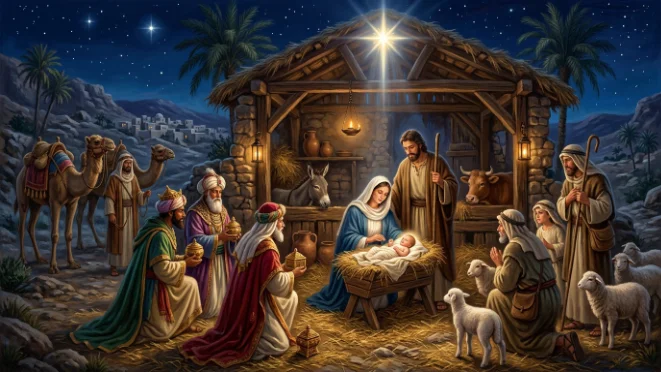
The story continues with the visit of shepherds, who were guided by angels to witness the birth. Later, the Magi (or Wise Men) arrived, following a star in the sky to bring gifts of gold, frankincense, and myrrh. These elements have become essential symbols in every depiction of Nativität.
What makes this narrative powerful is its simplicity. Instead of a royal palace or grand setting, the birth takes place in modest surroundings. This contrast highlights themes of humility and divine purpose, which are central to Christian teachings and to the broader meaning of Nativität.
Over centuries, theologians and historians have interpreted this story in different ways. Some focus on its historical accuracy, while others emphasize its spiritual message. Regardless of interpretation, the nativity narrative remains one of the most influential stories in Western culture.
Nativität in Art and Sculpture
Art has played a crucial role in shaping how people understand Nativität. From early Christian mosaics to Renaissance masterpieces, artists have consistently been inspired by the nativity story. These works not only depict religious scenes but also reflect the artistic style and cultural values of their time.
During the Renaissance, artists like Giotto, Botticelli, and Leonardo da Vinci created detailed nativity scenes that emphasized human emotion and realism. These artworks helped transform Nativität from a purely religious concept into a rich visual tradition that could be appreciated on multiple levels.
In sculpture, nativity scenes became especially popular in churches and public spaces. Artists crafted intricate figures made of wood, clay, and stone, often arranging them in detailed dioramas. These displays allowed viewers to physically engage with the story of Nativität in a more immersive way.
Today, modern artists continue to reinterpret the nativity in new forms. From minimalist installations to digital animations, Nativität remains a source of creative inspiration. Even when styles change, the core message of birth, hope, and renewal remains consistent.
Cultural Traditions Around the Nativity Scene
One of the most recognizable aspects of Nativität is the nativity scene, also known as a “crèche” or “Christmas crib.” These displays are common in homes, churches, and public spaces during the Christmas season. They typically include figures of Mary, Joseph, baby Jesus, shepherds, angels, and animals.
In Germany and Austria, nativity scenes are especially popular and often highly detailed. Families may spend years collecting handcrafted figures to build elaborate displays. This tradition shows how deeply Nativität is woven into cultural identity.
In Latin America, nativity scenes often include local cultural elements, such as regional clothing, landscapes, and even local food. This adaptation makes Nativität feel more personal and connected to everyday life. It also highlights how universal the story has become.
In some countries, nativity plays are performed by children in schools and churches. These performances bring the story of Nativität to life in a simple but powerful way. Through acting and storytelling, younger generations learn about the historical and spiritual significance of the nativity.
Symbolism and Theological Meaning
The symbolism behind Nativität is rich and deeply meaningful. Every element in the nativity scene carries a specific message. For example, the stable represents humility, while the star symbolizes divine guidance and hope.
Mary and Joseph are often seen as symbols of faith and obedience. Their journey reflects trust in a higher plan, even in uncertain circumstances. This aspect of Nativität resonates with many people, regardless of religious background.
The shepherds and Magi represent different social and cultural groups coming together. Shepherds symbolize the common people, while the Wise Men represent wisdom and knowledge. Together, they show that the message of Nativität is universal and inclusive.
Theologically, Nativität is seen as the beginning of salvation in Christian belief. It marks the moment when divine presence entered the human world. This idea gives the nativity story its profound spiritual importance.
Modern Interpretations and Pop Culture
In today’s world, Nativität continues to evolve. It is no longer limited to traditional religious settings but has also found its way into popular culture, media, and entertainment. Movies, television shows, and music often reference nativity themes during the holiday season.
Modern nativity scenes sometimes include contemporary elements, such as modern clothing or urban settings. These creative adaptations aim to make the story more relatable to current audiences while preserving its core message.
Digital media has also transformed how Nativität is experienced. Virtual nativity scenes, online performances, and animated storytelling have made the tradition accessible to global audiences. This shows how technology can help preserve cultural heritage.
Despite these modern changes, the essence of Nativität remains the same. It continues to represent birth, hope, and renewal, even as its forms and expressions evolve over time.
Conclusion:
Even in a fast-changing world, Nativität remains relevant because it speaks to universal human experiences. The themes of hope, humility, and new beginnings are timeless and resonate across cultures and generations.
For many people, the nativity story provides a sense of peace during the holiday season. It serves as a reminder to slow down, reflect, and appreciate simple yet meaningful moments in life. This emotional connection keeps Nativität alive in modern society.
From a cultural perspective, nativity traditions help preserve history and identity. They connect families and communities through shared rituals and storytelling. This continuity is one of the reasons why Nativität has lasted for centuries.
Ultimately, Nativität is more than just a religious concept. It is a symbol of humanity’s enduring hope for light in times of darkness. Whether viewed through faith, art, or culture, it continues to inspire people around the world in meaningful ways.
