

Introduction:
Have you ever wondered who shows up first when disasters strike, when floods rise, or when communities suddenly need urgent help? In many parts of Indonesia, one of the most active groups behind those quick responses is Korps Sukarela (KSR).
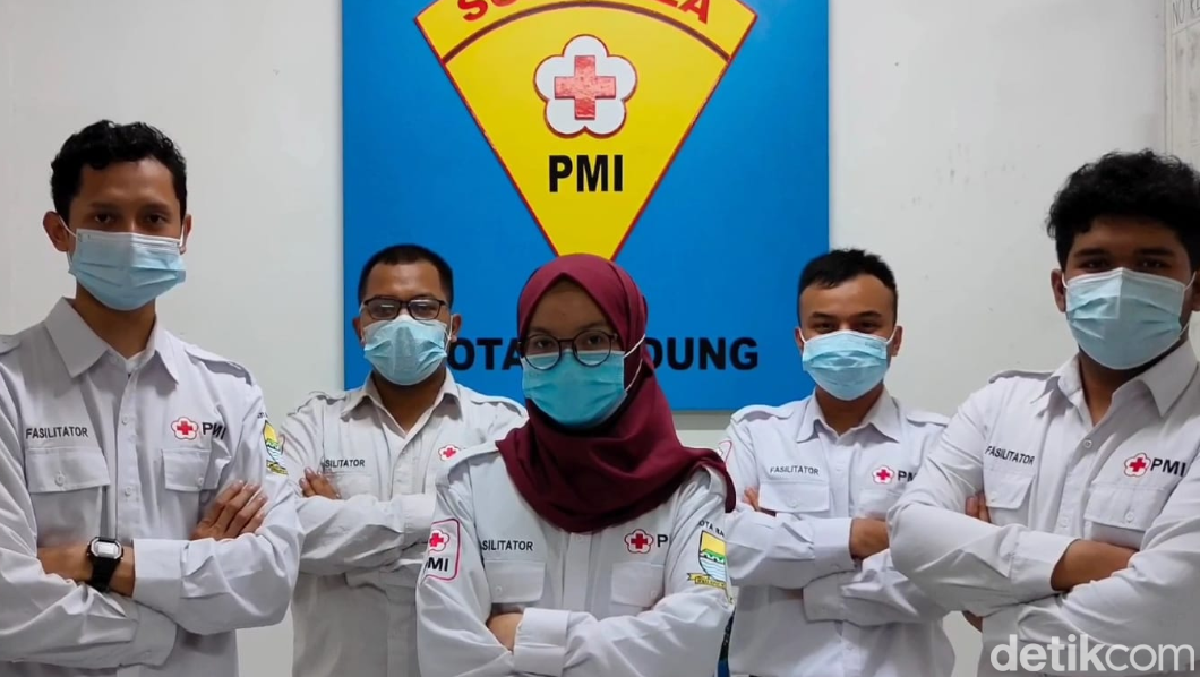
Korps Sukarela, often translated as the Volunteer Corps, is a structured volunteer unit that plays a major role in humanitarian service, especially under the umbrella of the Indonesian Red Cross. It is not just a group of helpers—it is a well-trained network of individuals who dedicate their time, energy, and skills to saving lives and supporting communities in crisis.
What makes KSR special is not only its mission but also the people behind it. Students, young professionals, and community members come together with one shared goal: to serve without expecting anything in return. This article will explore everything about Korps Sukarela, from its meaning and history to its training, activities, challenges, and long-term impact on society.
What Is Korps Sukarela?
Korps Sukarela (KSR) is a volunteer unit that operates under the Indonesian Red Cross, known as Palang Merah Indonesia. It is designed to train and organize volunteers who are ready to assist in humanitarian missions, disaster response, and community services.
At its core, KSR is built on the principle of voluntary service. Members are not paid professionals; instead, they are individuals who willingly give their time and effort to help others. This makes the organization deeply rooted in empathy and solidarity.
Another important aspect of KSR is its structure. Unlike informal volunteering groups, KSR operates with clear training systems, codes of conduct, and operational procedures. This ensures that every volunteer is prepared to handle real-life emergencies in a professional and responsible manner.
In addition, KSR acts as a bridge between the community and larger humanitarian organizations. Volunteers are often the first responders in local emergencies, making them an essential part of Indonesia’s disaster response system.
The History and Development of Korps Sukarela
The origins of Korps Sukarela are closely tied to the development of the Indonesian Red Cross movement. As Indonesia faced natural disasters and social challenges, the need for organized volunteers became increasingly clear.
Over time, KSR evolved from small volunteer groups into a structured corps within the national humanitarian framework. Universities, local chapters, and community centers began forming their own KSR units, allowing young people to participate actively in humanitarian work.
This growth was not random. It was driven by repeated experiences of floods, earthquakes, volcanic eruptions, and other emergencies that demanded fast and coordinated responses. Volunteers became a critical part of relief efforts, often working side by side with professional rescue teams.
Today, KSR is recognized as one of the most important volunteer-based systems in Indonesia. Its development reflects the country’s strong culture of mutual help, known locally as “gotong royong,” which emphasizes collective responsibility and cooperation.
The Core Roles and Responsibilities of KSR Members
Korps Sukarela members are trained to handle a wide range of responsibilities. Their work is not limited to disaster response; it also includes health education, community outreach, and blood donation campaigns.
One of the primary roles of KSR volunteers is emergency response. When disasters such as floods, earthquakes, or fires occur, they assist in evacuation, first aid, and basic relief distribution. Their presence often helps reduce panic and bring order during chaotic situations.
Another key responsibility is health promotion. KSR members often organize awareness programs about hygiene, disease prevention, and healthy living. These activities are especially important in rural and vulnerable communities.
Additionally, KSR volunteers play a major role in supporting blood donation drives. They help organize donors, manage logistics, and ensure that blood supplies are safely collected and distributed. This contributes significantly to saving lives in hospitals across the country.
Training and Skill Development in Korps Sukarela
Becoming a member of Korps Sukarela is not just about willingness—it requires proper training. Every volunteer goes through structured programs that prepare them for real-life situations.
The training usually begins with basic humanitarian education. Volunteers learn about the principles of the Red Cross movement, including neutrality, humanity, and impartiality. These principles guide every action they take in the field.
Next comes practical training. This includes first aid, disaster simulation, evacuation techniques, and communication skills. Volunteers are often placed in realistic scenarios to test their ability to respond under pressure.
Advanced training may also include leadership development and specialized skills such as disaster logistics or psychological support. This ensures that KSR members can take on different roles depending on the situation.
Overall, the training system is designed to build confidence, discipline, and readiness. It transforms ordinary individuals into capable responders who can act effectively during emergencies.
Activities and Real-World Engagement of KSR Volunteers
Korps Sukarela members are actively involved in a wide variety of activities throughout the year. Their work extends far beyond emergency situations and becomes part of everyday community life.
One of the most visible activities is disaster response. Whenever natural disasters occur, KSR volunteers are deployed to assist affected communities. They help distribute food, provide first aid, and support evacuation efforts.
Another major activity is blood donation campaigns. Volunteers often organize events at schools, universities, and public places to encourage people to donate blood. These campaigns play a crucial role in maintaining national blood supplies.
KSR members also participate in educational programs. They visit schools and communities to teach basic health practices, disaster preparedness, and environmental awareness. These efforts help build more resilient communities over time.
In addition, they are involved in social service projects such as cleaning public areas, assisting vulnerable groups, and supporting local health initiatives. Their presence is often a source of encouragement and hope for many communities.
The Impact of Korps Sukarela on Society
The impact of Korps Sukarela on Indonesian society is both broad and deep. At the most immediate level, they save lives during emergencies. Their quick response often makes the difference between life and death in disaster situations.
Beyond emergencies, KSR contributes to long-term community development. Their educational programs help people adopt healthier and safer lifestyles. This reduces the risk of disease and improves overall well-being.
Another important impact is social cohesion. KSR promotes a strong sense of unity and empathy among volunteers and the communities they serve. People learn to care for one another, regardless of background or social status.
Furthermore, KSR helps develop young leaders. Many volunteers gain valuable experience in leadership, teamwork, and crisis management. These skills often benefit them in their future careers and personal lives.
Challenges Faced by Korps Sukarela Volunteers
Despite its importance, Korps Sukarela is not without challenges. One of the biggest issues is limited resources. Volunteers often work with minimal equipment, especially during large-scale disasters.
Another challenge is emotional stress. Working in disaster zones can be mentally and emotionally exhausting. Volunteers sometimes witness tragic situations that leave a lasting impact.
Time management is also a common difficulty. Since most KSR members are students or working individuals, balancing volunteer duties with personal responsibilities can be challenging.
Additionally, awareness and recognition can sometimes be limited. Many people are not fully aware of the scale of work KSR does, which can lead to misunderstandings about their role.
Despite these challenges, volunteers continue their work with dedication, driven by a strong sense of purpose and humanity.
How to Join Korps Sukarela
Joining Korps Sukarela is a straightforward process, but it requires commitment and passion for helping others. Most KSR units are open to students and community members who are willing to undergo training.
The first step is usually registration through a local or institutional KSR chapter. After that, candidates are invited to attend basic training sessions where they learn about the organization and its responsibilities.
Once training is completed, new members officially become part of the volunteer corps. They can then participate in various activities, from community service to disaster response operations.
What matters most in joining KSR is not prior experience, but willingness to learn and serve. The organization values dedication, teamwork, and empathy above all else.
Personal Growth and Life Lessons from KSR
Being part of Korps Sukarela is not just about helping others—it is also about personal growth. Many volunteers describe their experience as life-changing.
One of the biggest lessons is empathy. Working closely with people in need helps volunteers understand different life situations and develop a deeper sense of compassion.
Another important lesson is resilience. Facing real-world emergencies teaches individuals how to stay calm under pressure and make quick decisions in difficult situations.
Leadership and teamwork are also key benefits. Volunteers learn how to coordinate with others, take responsibility, and lead in challenging environments.
Over time, these experiences shape individuals into more confident, responsible, and socially aware members of society.
The Future of Korps Sukarela
Looking ahead, Korps Sukarela is expected to play an even bigger role in humanitarian work. With increasing natural disasters and social challenges, the need for trained volunteers continues to grow.
Technology is also changing how KSR operates. Digital tools are now being used for communication, coordination, and disaster reporting, making responses faster and more efficient.
There is also a growing emphasis on youth involvement. Younger generations are increasingly joining volunteer programs, bringing fresh energy and ideas to the organization.
As awareness increases, KSR is likely to become even more integrated into national disaster management systems, strengthening its position as a key humanitarian force.
Conclusion:
Korps Sukarela is more than just a volunteer group—it is a symbol of compassion, unity, and service. It represents the idea that ordinary people can do extraordinary things when they come together for a common purpose.
From disaster response to community education, KSR continues to make a real difference in countless lives. Its volunteers stand as silent heroes who work behind the scenes, often without recognition, but with immense impact.
In a world that often feels divided, Korps Sukarela reminds us of something simple yet powerful: helping others is one of the highest forms of humanity.
