

What is Doujin Moe? Understanding the Basics
doujen moe is a fascinating corner of Japanese pop culture where creativity, fandom, and artistic expression all collide. At its core, it combines two ideas: “doujin,” which refers to self-published works made by independent creators, and “moe,” a Japanese slang term used to describe feelings of affection or strong emotional attachment toward fictional characters, often in anime or manga style.
When you bring these two together, doujin moe becomes a creative space where artists produce emotionally engaging, often character-driven illustrations, comics, and stories. These works are typically made outside of mainstream publishing systems, which gives creators complete freedom to experiment with style, tone, and storytelling.
What makes doujin moe especially interesting is how personal it feels. Unlike commercial manga or anime, these works are often created by fans for other fans. That means the focus is less on mass appeal and more on emotional connection, artistic passion, and niche storytelling that might not otherwise make it into the mainstream.
Origins of Doujin Culture and Moe Aesthetic
The roots of doujen moe culture go back several decades in Japan, where amateur artists began self-publishing their own manga and stories. Initially, these works were distributed in small circles, often at conventions or through personal networks. Over time, this evolved into a massive creative ecosystem supported by events like Comiket, one of the largest fan conventions in the world.
The concept of “moe” emerged later, gaining popularity in the late 1990s and early 2000s alongside the rise of modern anime fandom. Moe characters are often designed to evoke feelings of warmth, cuteness, or emotional attachment. When doujin creators began incorporating moe aesthetics into their work, a new hybrid style emerged that focused heavily on emotional expression and character appeal.
Together, doujin and moe formed a powerful cultural combination. Artists were no longer just creating fan works—they were building emotional worlds centered around characters people could deeply connect with. This helped doujin moe grow from a niche hobby into a globally recognized part of anime culture.
Art Style and Visual Characteristics
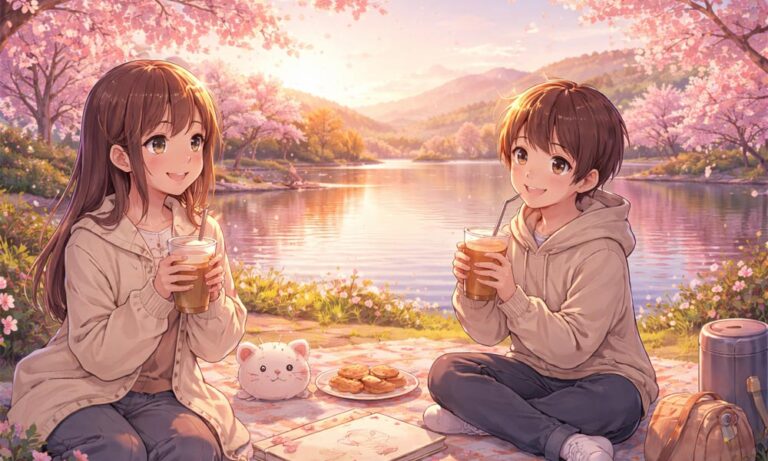
One of the most recognizable aspects of doujen moe is its distinct visual style. Characters are often drawn with large expressive eyes, soft facial features, and highly detailed emotional expressions. These design choices are meant to emphasize vulnerability, innocence, and emotional depth.
Beyond character design, doujin moe art often uses soft color palettes, smooth shading, and delicate line work. The goal is not just visual appeal but emotional resonance. Every detail—from a character’s blush to their posture—is carefully crafted to convey mood and personality.
Another important aspect is variation. Since doujin creators are independent, there is no single “correct” style. Some artists lean toward highly polished professional-quality illustrations, while others prefer a rougher, sketch-like aesthetic. This diversity is part of what makes doujin moe so dynamic and ever-evolving.
Community and Creative Freedom
The doujen moe scene thrives largely because of its community-driven nature. Unlike traditional publishing industries, there are very few barriers to entry. Anyone with artistic skill and passion can create and share their work. This openness has led to an incredibly diverse range of content and ideas.
Communities around doujin moe often gather at conventions, online forums, and social media platforms. These spaces allow creators to showcase their work, receive feedback, and collaborate with others. The sense of belonging is a major factor that keeps the culture alive and growing.
Creative freedom is another defining feature. Since doujin works are not controlled by major publishers, artists can explore themes, styles, and narratives that might be considered too niche or experimental for mainstream media. This freedom encourages innovation and often leads to unique storytelling approaches that later influence larger anime and manga industries.
Online Platforms and Distribution
In the digital age, doujen moe has expanded far beyond physical conventions. Online platforms have made it easier than ever for creators to share their work with a global audience. Websites, digital marketplaces, and social media platforms now serve as major distribution channels.
This shift to online spaces has significantly increased accessibility. Artists no longer need to rely solely on in-person events to gain recognition. Instead, they can build audiences from around the world, sometimes gaining thousands of followers based purely on their unique style and storytelling.
Digital distribution has also changed how fans engage with doujin moe content. Readers can now instantly access new works, support creators directly, and participate in discussions across different platforms. This has helped the community become more interconnected and globally diverse than ever before.
Influence on Anime and Gaming Industry
doujen moe has had a noticeable impact on mainstream anime and gaming industries. Many professional artists and writers actually began their careers in the doujin scene, using it as a creative training ground before moving into commercial projects.
Game developers and anime studios often take inspiration from doujin aesthetics, especially when it comes to character design and emotional storytelling. The popularity of moe characters in commercial media can be traced back to ideas that were first explored in doujin works.
Interestingly, some major franchises have even originated from doujin creators who later transitioned into professional production. This shows how powerful and influential the doujin ecosystem can be, despite its informal and independent nature.
Why Doujin Moe Appeals to Fans
One of the biggest reasons doujen moe resonates with fans is emotional connection. The characters are designed to evoke strong feelings, whether it’s affection, nostalgia, or empathy. This emotional depth makes the experience more personal compared to mainstream media.
Another reason is exclusivity and uniqueness. Since many doujin works are produced in limited quantities or released independently, they often feel special or rare. Fans enjoy discovering hidden gems that are not widely known or commercially promoted.
Finally, there is the appeal of authenticity. Doujin moe works are created by individuals driven by passion rather than corporate demands. This often results in more heartfelt storytelling and experimental art styles that feel raw, honest, and emotionally engaging.
Criticism, Misconceptions, and Cultural Context
Despite its popularity, doujen moe is sometimes misunderstood. One common misconception is that all doujin content is identical or purely commercial fan imitation. In reality, the range of doujin works is extremely broad, covering everything from heartfelt stories to experimental artistic expressions.
Another point of criticism is the association of some doujin works with mature themes. While it is true that certain subcategories exist, they do not define the entire culture. Doujin moe, in particular, is often focused more on emotional and aesthetic expression rather than explicit content.
Culturally, doujin moe also reflects broader Japanese attitudes toward creativity and fandom. It highlights how fan-driven communities can coexist alongside professional industries, often influencing and enriching them rather than competing with them.
Future of Doujin Moe Culture
The future of doujen moe looks incredibly dynamic, especially with the continued rise of digital platforms and global fandoms. More creators than ever are able to share their work internationally, breaking down language and cultural barriers.
Advancements in digital art tools have also made it easier for beginners to enter the scene. This means the community will likely continue growing, both in size and diversity. New artistic styles and storytelling methods are constantly emerging as creators experiment with fresh ideas.
At the same time, the relationship between doujin culture and mainstream media is becoming increasingly intertwined. As professional industries continue to draw inspiration from independent creators, the line between fan-made and commercial content will keep blurring. This ongoing exchange ensures that doujin moe will remain an important and evolving part of global pop culture for years to come.
